The Liability of the “Silent” Threat
A majestic tree is an asset to any South African property, but once its structural integrity is compromised, it becomes a significant liability. For property owners, the duty of care involves identifying these risks before a storm does the job for you. Understanding the botanical warning signs of a dangerous tree is the first step in responsible property management.
Identifying the Five Pillars of Tree Failure
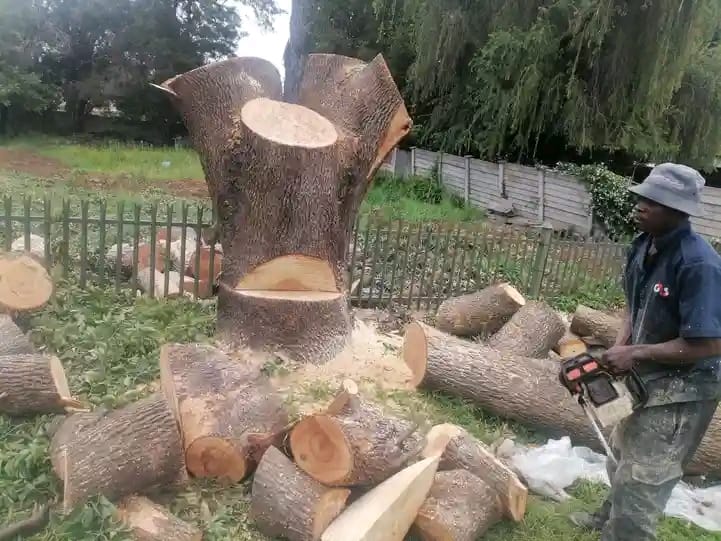
V-Shaped Crothes: When two main trunks grow in a tight “V” shape, they often have “included bark,” making them prone to splitting during high winds.
Basal Decay: Fungal growth (conks) at the soil line indicates that the root system is rotting, meaning the tree’s “anchor” is failing.
Stem Cankers: Deep lesions or “bleeding” on the bark can indicate systemic disease that weakens the wood’s load-bearing capacity.
Dieback: When the tips of the upper canopy lose leaves, the tree is under extreme stress and may drop large limbs without warning.
Heaving Soil: If the ground around the base of the tree is lifting, the root plate is shifting—this is a high-priority emergency.
The Professional Safety Audit
Our team provides more than just a quote; we provide a Safety Assessment. Because Stylish Tree Felling is a fully insured entity, we adhere to strict safety protocols during every inspection. We help you document the condition of your trees, which can be vital for your own home insurance records should you ever need to prove you have maintained your property to professional standards.